
Four studies have evaluated medications targeting alcohol use in comorbid group of subjects. Three studies evaluated the Food and Drug Administration (FDA)-approved medication naltrexone; one of these studies also included disulfiram, which is also FDA approved for treating AUD. A fourth study evaluated topiramate; which although not FDA-approved is recommended as a second line treatment for alcohol use disorders (Johnson 2016) and therefore is included in this section.
Treatment & Rehab
As a result, some experience flashbacks and intrusive memories and use alcoholism as a coping mechanism for PTSD. This increases the risk of physical harm and also worsens the individual’s feelings of guilt and self-blame. Naturally, alcohol also damages sleep patterns and hinders the ability to engage in healthy coping mechanisms or therapeutic interventions. The signs often return after drinking, and they are always much worse than they were before the attempt to self-medicate with drugs. In certain cases, the alcohol causes more unpleasant events, resulting in a vicious cycle.
Clonidine for Drug and Alcohol Withdrawal Treatment
The way alcohol is felt varies from person to person, which is why you hear about people being labeled as a happy drunk or angry drunk. This has to do with the way your body metabolizes alcohol, which is decided by what variation of a certain gene humans possess. Still, many people don’t realize they’re playing Russian roulette with their health every time they combine alcohol with certain medications. If you love someone who takes prescription medication—or if you take medication yourself—it’s crucial to understand the risks before it’s too late. Our experienced staff will develop a https://wahbatglobalcompanyltd.com/what-are-the-5-addiction-stages-2/ personalized treatment plan based on past traumas and/or other co-occurring illnesses. Holistic approaches, such as mindfulness meditation, yoga, and acupuncture, can complement traditional therapies by promoting relaxation, reducing anxiety, and enhancing overall well-being.
Side Effects of Mixing Ambien with Alcohol
- One of the main reasons antidepressants work is by balancing the chemicals in your brain, particularly serotonin.
- Over the past two decades, overdose deaths involving sedative-hypnotics medications like Ambien have risen significantly.
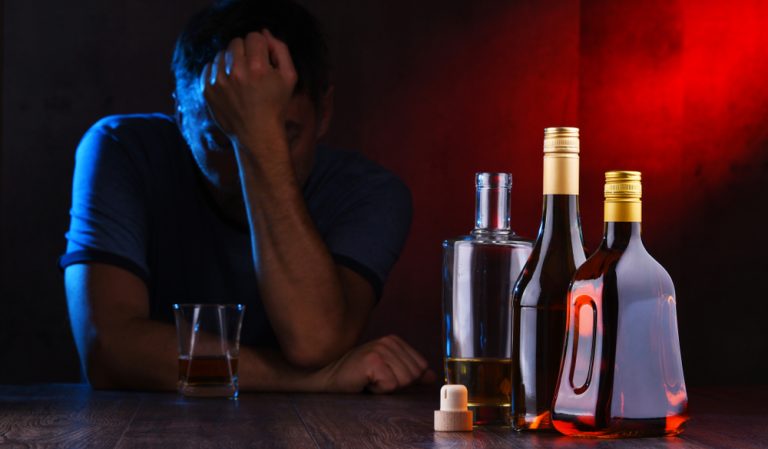
- Many individuals with PTSD turn to alcohol as a means of coping with their symptoms, inadvertently setting the stage for a dangerous cycle of dependence and exacerbated trauma responses.
- It’s typically recommended to refrain from drinking alcohol when using Tramadol.
To better understand PTSD, the Diagnostic and Statistical Manual for Mental Disorders (DSM-V) identifies these key diagnostic criteria. Within each of these programs, specific types of therapy are utilized to teach you the necessary recovery skills to avoid an AUD or PTSD relapse. UKAT aspires to deliver the highest quality care across all our centres and clinics.
Alcohol and Substance Use in Post-Traumatic Stress Disorder (PTSD)

Many individuals find that long-term engagement with mental health professionals helps them navigate the challenges of recovery and maintain their progress over time. For veterans, accessing VA resources and support can be particularly beneficial in managing both PTSD and alcohol use disorder. Perhaps most alarmingly, the co-occurrence of PTSD marijuana addiction and alcohol use disorder significantly increases the risk of suicide and self-harm. The combination of trauma-related distress and the disinhibiting effects of alcohol can create a dangerous scenario where individuals are more likely to act on suicidal thoughts. This heightened risk underscores the critical importance of addressing both conditions simultaneously and providing comprehensive support to affected individuals. Several risk factors contribute to the development of both PTSD and alcoholism.
- In some cases, mirtazapine and alcohol blackouts and memory loss can also occur, both of which can put you at risk of accidents, potential crimes and other dangers.
- Whether this article resonates with you or about someone you love, getting professional help is the best thing you can do for yourself.
- You'll receive one-on-one help from a recovery coach and a customized treatment plan consisting of medication and therapy.
- In severe cases, the combination can lead to respiratory depression, which can be life-threatening.
A few differences were noted for example, the Hein study included subjects with sub-threshold PTSD ptsd and alcohol abuse and only one study included PTSD severity as a criterion for entry into the study (Foa et al. 2013). Because the studies used similar inclusion/exclusion criteria and similar outcomes, making overall conclusions based on these studies seems reasonable. Teens and young adults are especially vulnerable to the risks of mixing weed and alcohol.
- Some people may abuse Ambien, which has the potential for complications.
- Naturally, alcohol also damages sleep patterns and hinders the ability to engage in healthy coping mechanisms or therapeutic interventions.
- This is particularly dangerous for people with depression who already experience emotional instability.
- However, some people may engage in this risky behaviour for various reasons despite the known risks.
Heightened Risk-Taking Behavior
Subjects were also randomized to receive naltrexone (50 mg) or placebo, resulting in 4 cells. All subjects received Medication Management (MM) therapy in this 12-week trial. In this section we describe the paroxetine and desipramine results and in the following section on AUD medications we cover the naltrexone results.